 |
U.S Afghanistan Iran International |
 |
 |
|
Pakistan`s Defense: We Can Completely Annihilate the Taliban With Only a Fraction of Our Military Power
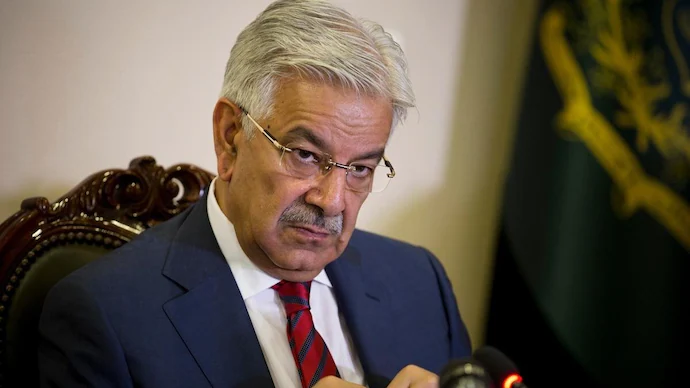
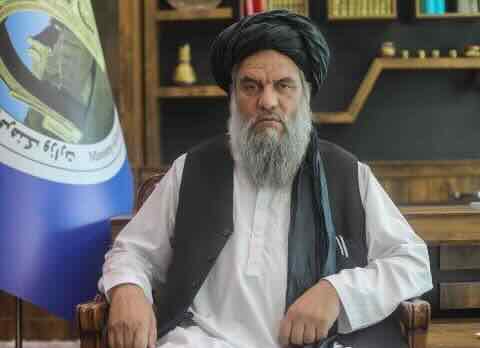
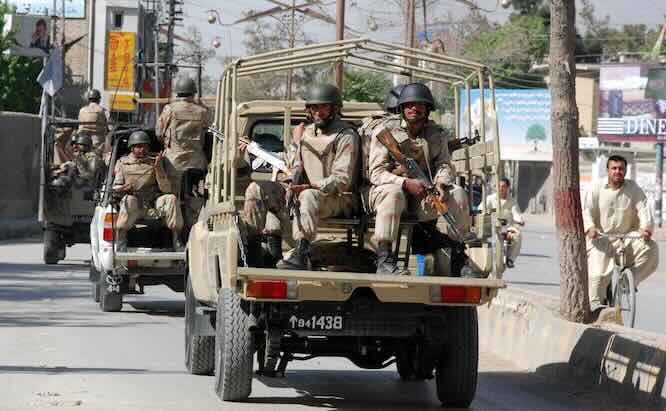
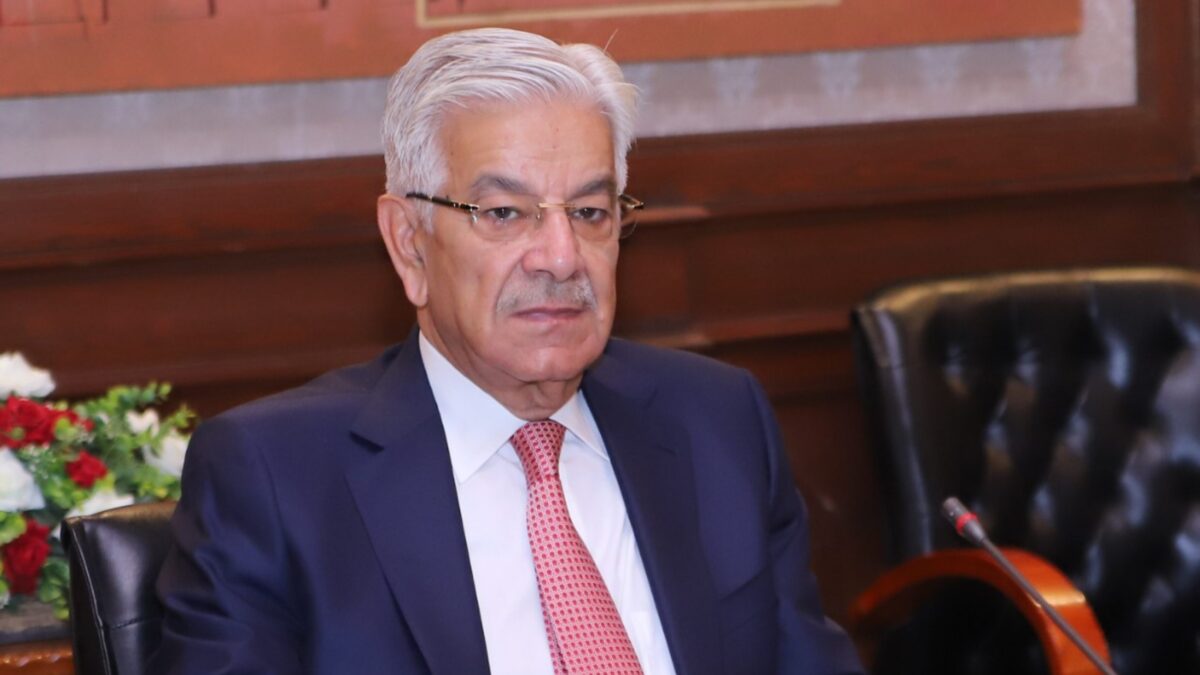
Following the collapse of the Istanbul talks between Pakistani officials and Taliban representatives, Pakistan`s Defense Minister Khawaja Muhammad Asif issued a sharply worded warning, saying that Pakistan could completely destroy the Taliban regime using only a fraction of its military capabilities, though he added that Islamabad does not currently consider such action necessary. According to AnsarPress, Asif wrote on X (formerly Twitter) on Wednesday, October 29: "If the Taliban dare to carry out suicide attacks on Pakistani soil, they will taste the bitter consequences of such adventurism." He referred to Afghanistan as "a land usurped by the Taliban", accusing the group of dragging Afghans into a blind and senseless war. Responding to the well-known phrase *"Afghanistan is the graveyard of empires,"* Asif said: "Afghanistan is not the graveyard of empires - it has been the graveyard of its own people." The defense minister stressed that Pakistan does not need to use its full arsenal to defeat the Taliban, claiming the country could "drive them back into their caves" with limited force if necessary. These remarks come after informal negotiations between the Taliban and Pakistani officials, mediated by Turkey and Qatar in Istanbul, ended without any agreement or joint statement. Meanwhile, Mohammad Nabi Omari, Taliban`s Deputy Minister of Interior, said a day earlier that certain factions are trying to impose war on the Taliban, but that the group is "fully prepared to defend Afghanistan`s sovereignty." Analysts say Asif`s comments reflect a significant escalation in tone between Islamabad and the Taliban following the failed Istanbul talks - an escalation that appears intended more as psychological and political pressure than an immediate call to military action. However, the militarized rhetoric from Pakistan, amid the Taliban`s ongoing support from certain regional powers, risks further aggravating border tensions and deepening instability across the region.
|
 |
|
|
|
U.S
Afghanistan
Iran
International
Social
Economic
Articles |
Athletic
Read
Science
Medical
Interview
Art and Culture
Travel |
|